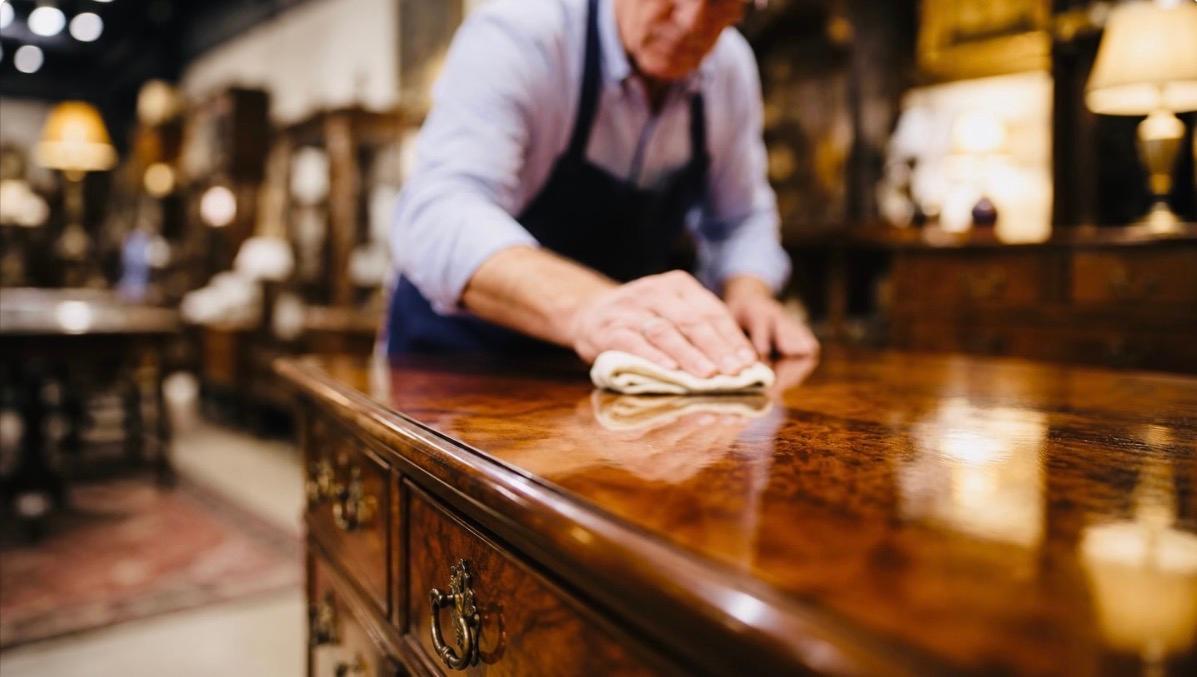
Why solid-timber antiques are the sustainable choice
By Rob Frost
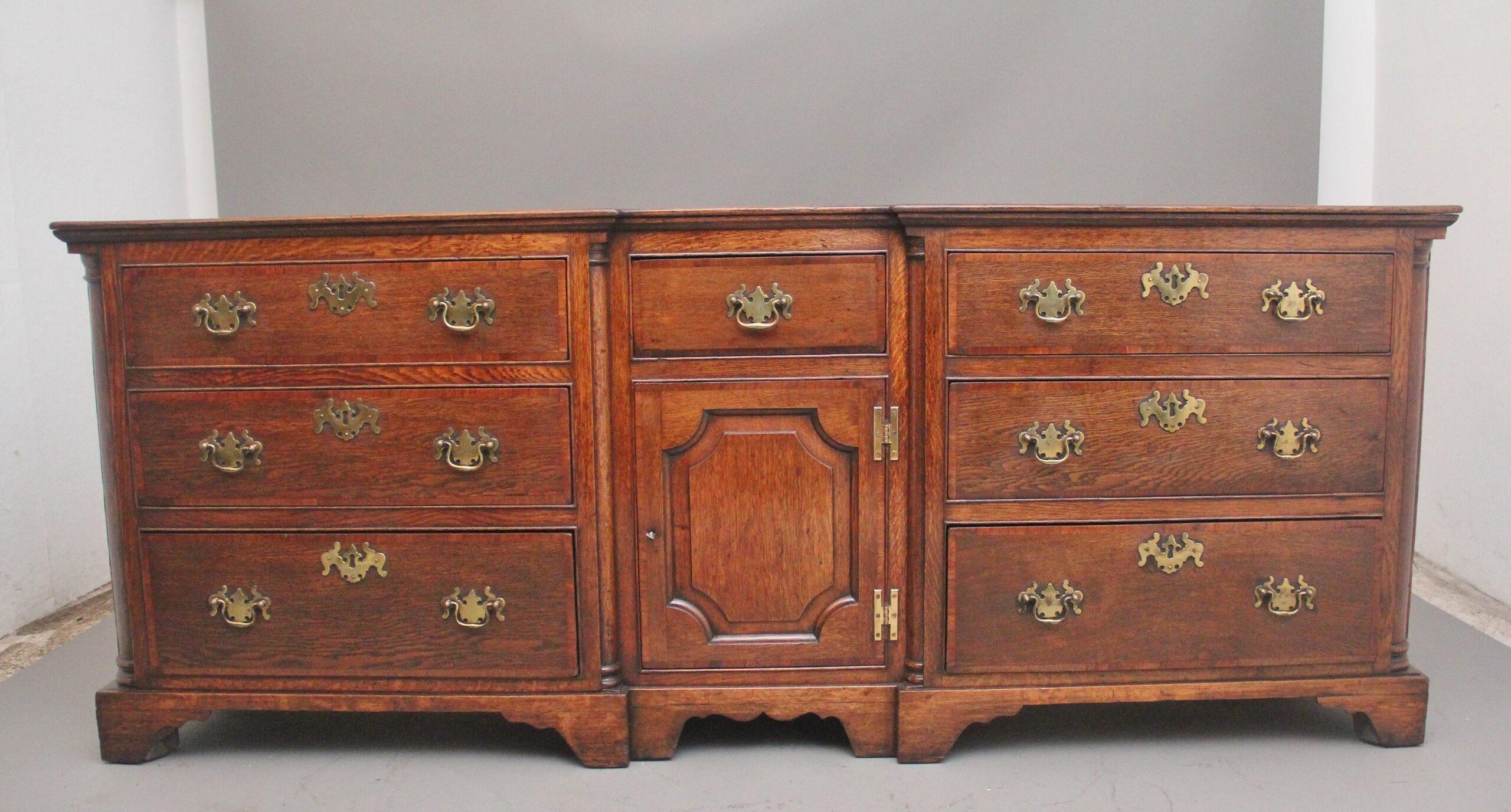
There is a quiet irony to the word “new”. A flat-pack cabinet made this month may be in landfill within a decade, while an antique chest made two hundred years ago is still in daily use. Buying antique furniture is one of the most sustainable choices you can make — and one of the most rewarding.
The carbon has already been spent
An antique carries no new manufacturing footprint. The timber was felled, the piece was made, and any carbon cost was paid generations ago. Choosing an antique over a newly manufactured piece avoids fresh production, shipping and packaging entirely.
Built to be repaired
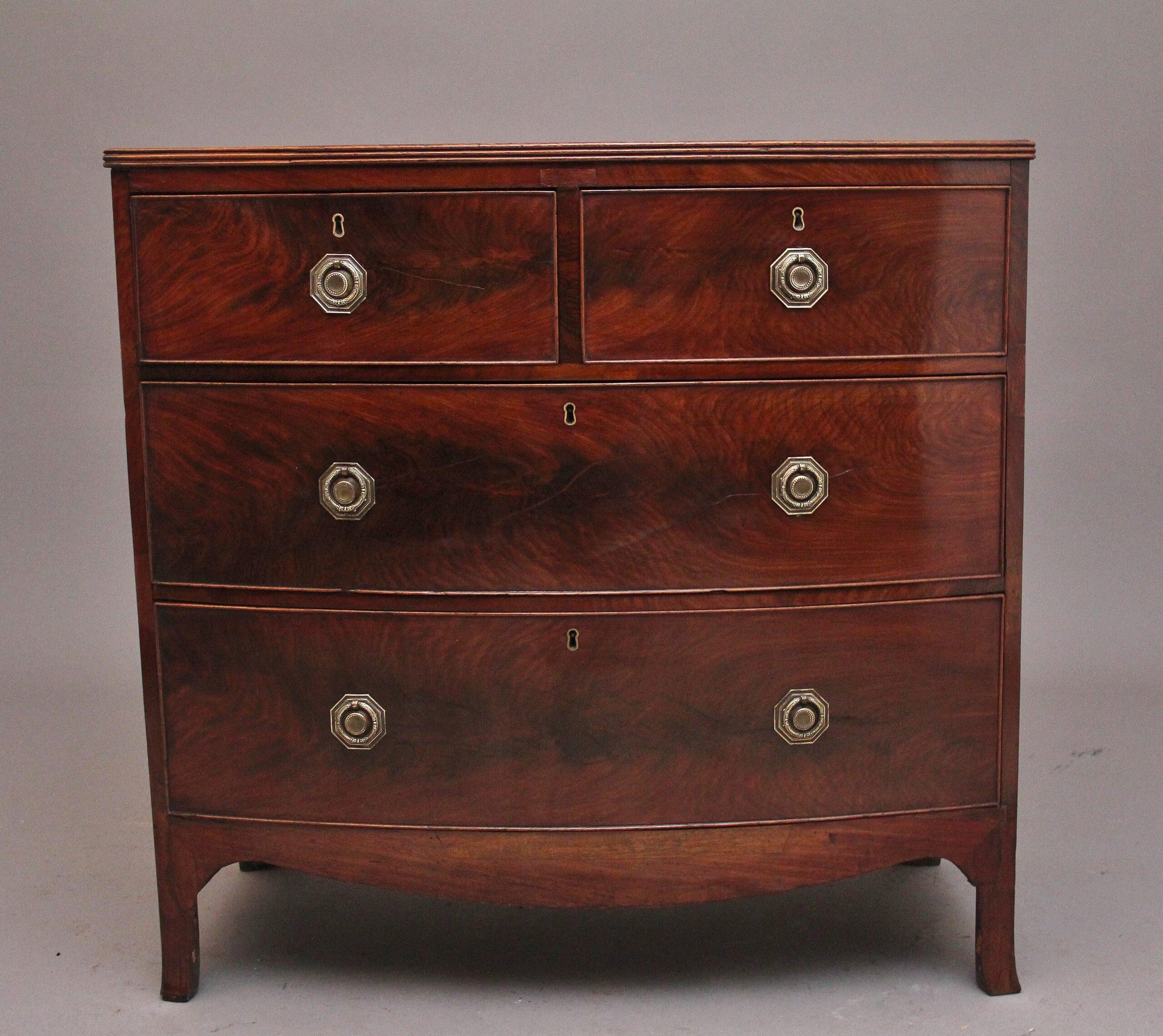
Georgian and Victorian furniture was made from solid timber, jointed and pegged so it could be taken apart, mended and passed on. Compare that with modern chipboard and veneers that cannot be repaired once damaged. An antique is designed for a long life — and to be kept in use, not thrown away.
Value that lasts
Mass-produced furniture loses its value the moment it leaves the shop. A well-chosen antique holds its worth and often appreciates. It is furniture you can live with, enjoy, and sell on — rather than a disposable cost.
Character you can’t mass-produce
Beyond the practical case, there is the simple pleasure of owning something with history: the mellow patina of aged mahogany, the marks of hand tools, the knowledge that a piece has already served a family or two. That character cannot be manufactured — it can only be earned over time.
If you would like to furnish thoughtfully and beautifully, browse our collection — every piece has already stood the test of time, and is ready to give many more years of service.